
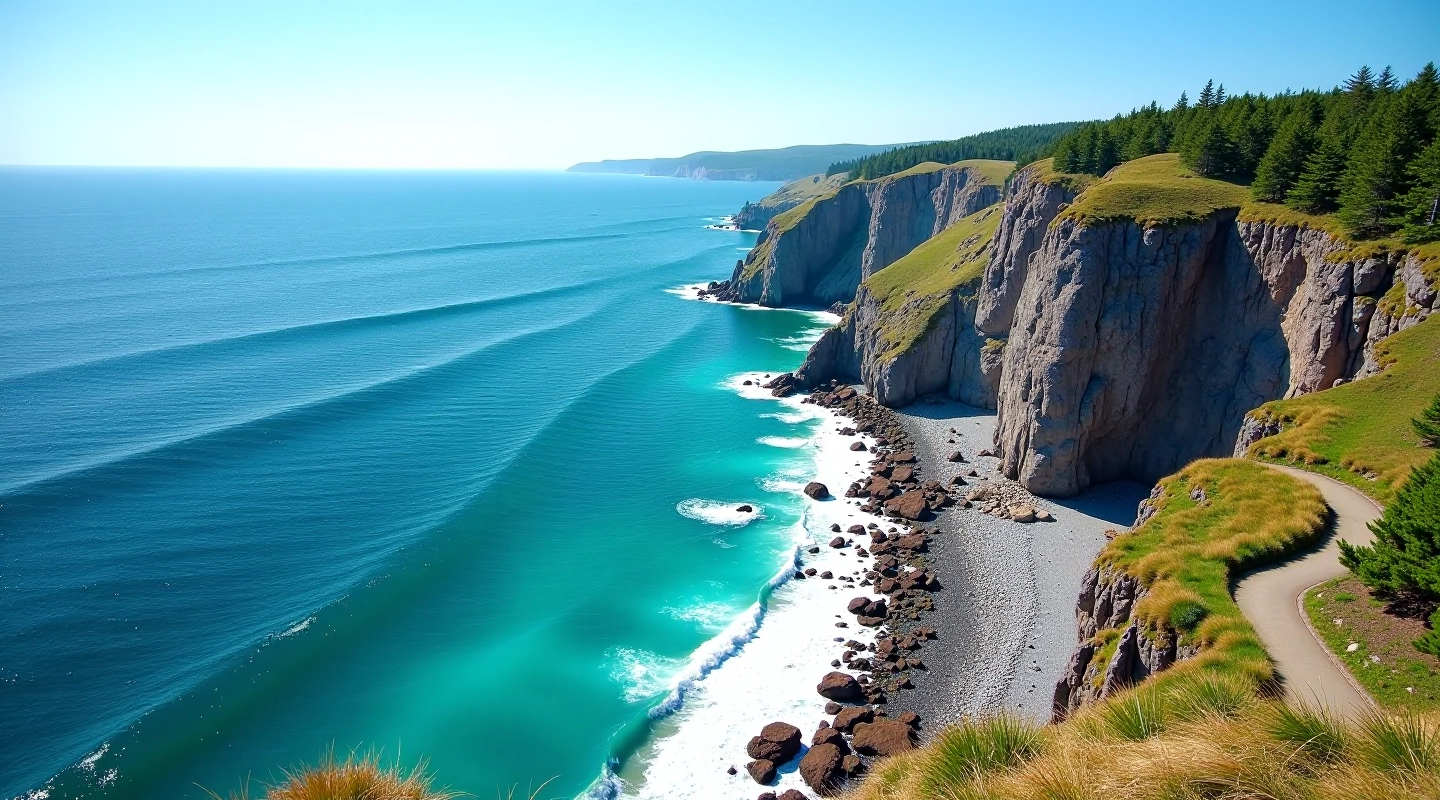
Cabot Trail: Nova Scotia's Most Iconic Drive
A 300-kilometer loop around Cape Breton Island featuring dramatic mountain passes, ocean vistas, and authentic Highland culture.
Read GuideDiscover the Bay of Fundy's highest tides and Acadian cultural heritage along a scenic route that combines world-class dining, historic sites, and natural wonders.
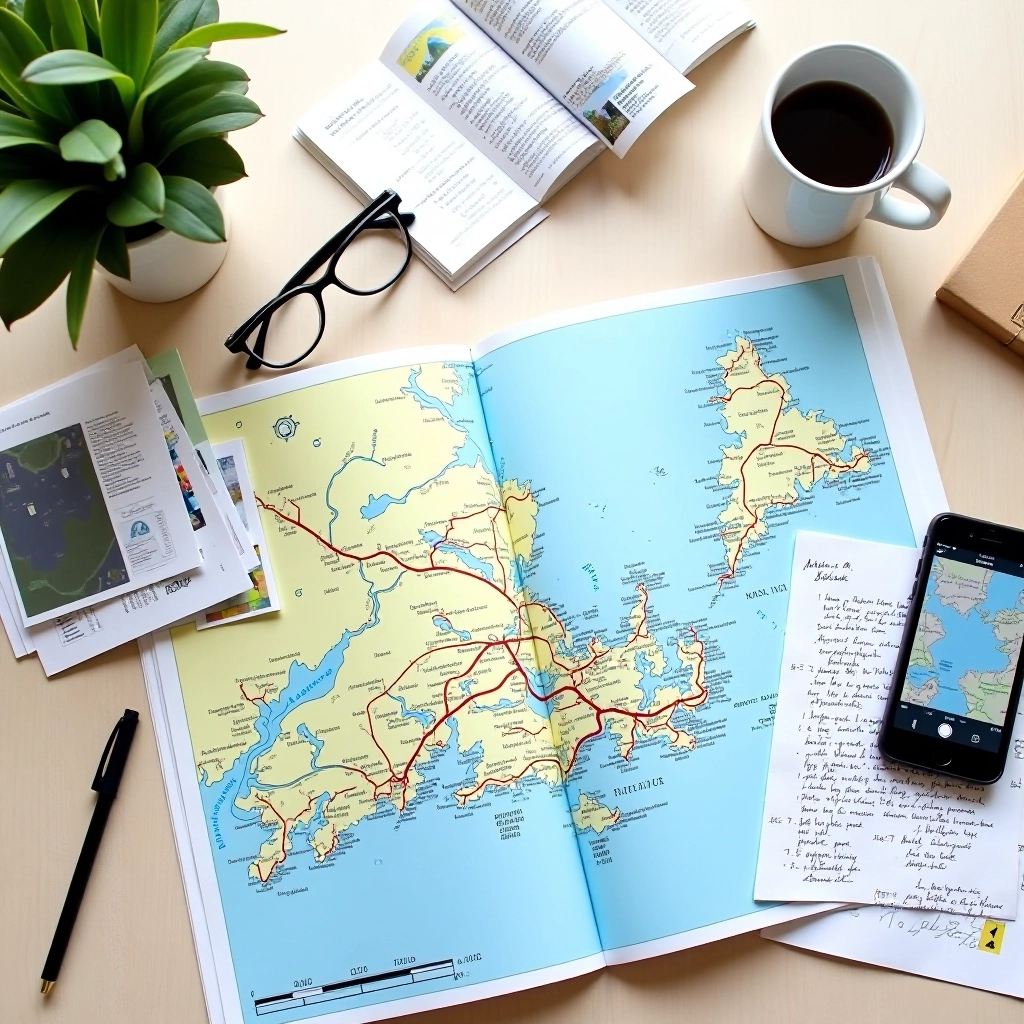
This drive isn't just another coastal loop. You're traveling through living history — exploring the heartland of Acadian culture in Canada while witnessing some of the planet's most dramatic tidal phenomena. The Bay of Fundy doesn't just look impressive; it's genuinely humbling. The difference between high and low tide reaches 50 feet in some spots. That's real.
The route itself spans roughly 280 kilometers and connects charming fishing villages, world-renowned restaurants, and heritage sites that tell stories most travelers never hear. You'll find Acadian museums that feel authentic, not sanitized. Local artisans selling genuine crafts. Family-run restaurants where the chef actually cares about the food on your plate.
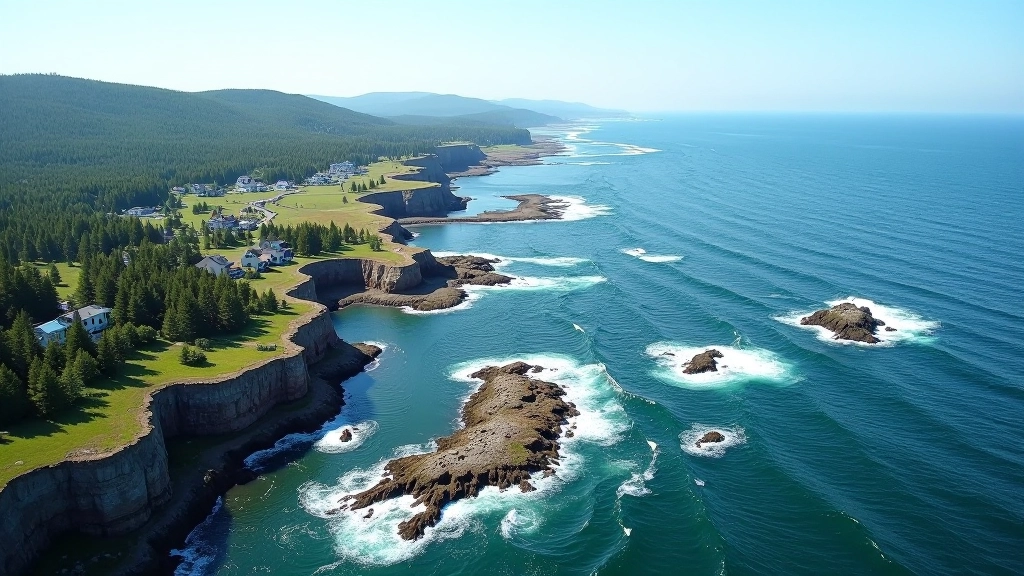
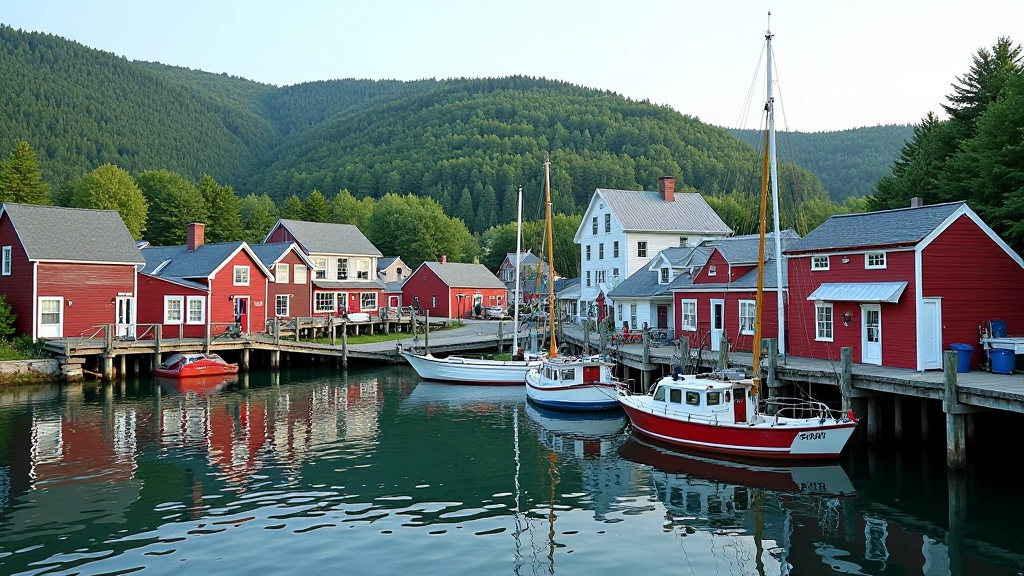
Start in Moncton, grab breakfast somewhere with good coffee, and head toward the Bay of Fundy proper. The drive to Hopewell Rocks takes about 45 minutes. Don't rush it. Stop in Riverside-Albert to walk around the covered bridge — it's genuine Victoriana, not reconstructed for tourists.
Hopewell Rocks is the centerpiece. You can kayak between the rocks at high tide or walk on the ocean floor at low tide. We're not exaggerating about the dramatic tides here. Plan 3-4 hours if you want to experience both states. The interpretive center explains the geology without talking down to you.
From there, continue toward Shediac along the coastal roads. You'll pass through small communities that still feel lived-in. Cap-Pelé offers genuine seafood restaurants. Shediac itself is known for lobster — the Lobster Capital, they claim — and it's not entirely marketing. The restaurants here actually know what they're doing.
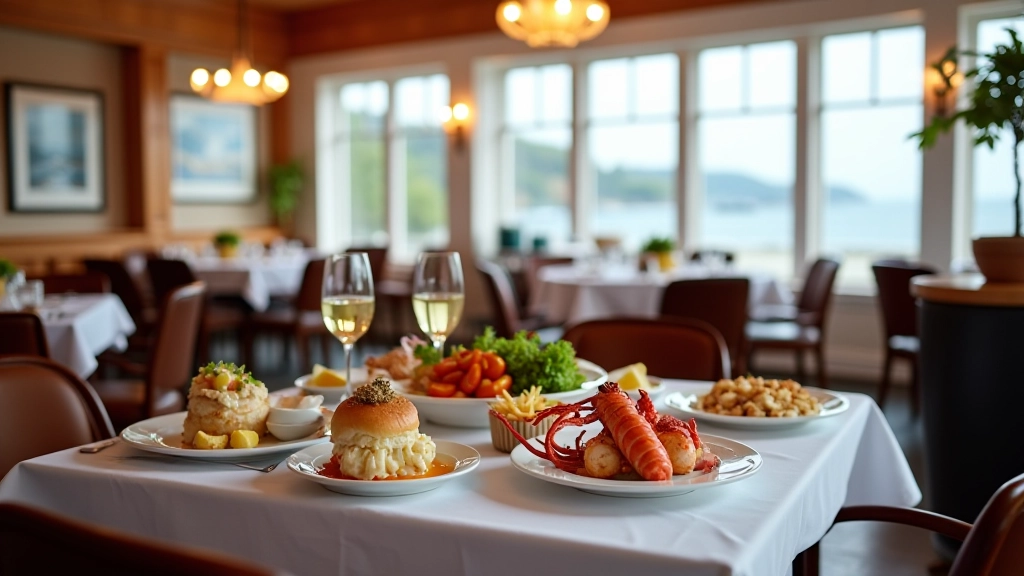
This region takes food seriously. Not in a trendy way — in a practical way. When your dinner is pulled from the water that morning, you pay attention to how you prepare it. Rappie pie (Acadian chicken and potato casserole) appears on menus, but you'll find the best versions in family restaurants, not tourist traps.
Hopewell Rocks has a solid dining pavilion overlooking the water. But venture into villages like Hillsborough — they've got restaurants where locals actually eat. That's the real test. Seafood here isn't overpriced or oversauced. A lobster roll should taste like lobster, not mayo, and they understand that.
Budget 2-3 hours for lunch or dinner. These places don't rush. You shouldn't either. The pacing is part of the experience.
This guide provides general information about the Acadian Coast route and is intended for educational purposes. Road conditions, attractions, and business hours can change seasonally. We recommend checking current conditions, making reservations at restaurants and accommodations in advance, and consulting local tourism offices for the most up-to-date information. Always drive according to current road and weather conditions.
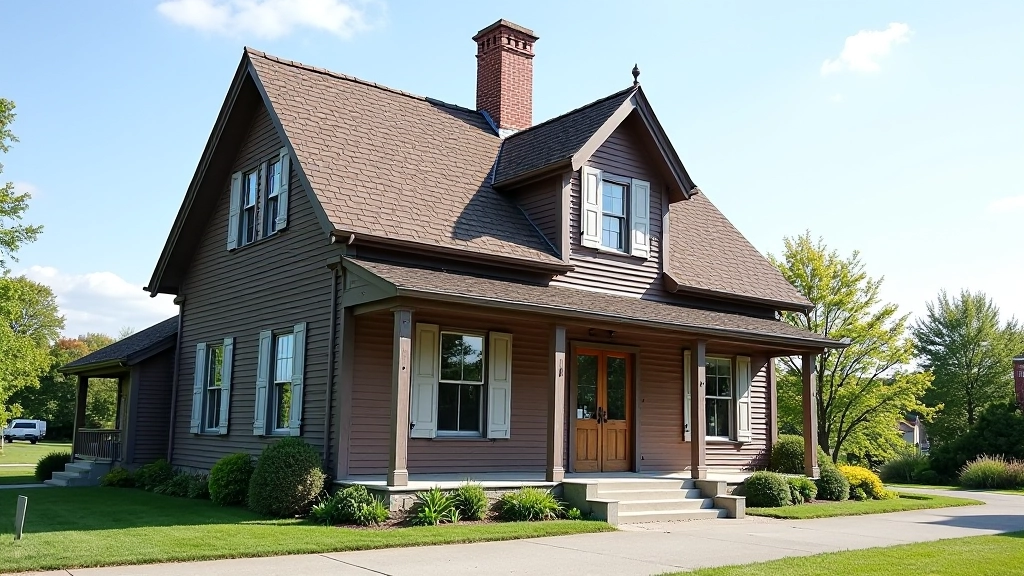
The Acadian Museum in Hopewell Cape tells a real story. Not sanitized. Not oversimplified. You'll learn about the Expulsion of 1755 and how Acadian people returned and rebuilt their communities. It's heavy history, but it's necessary context for understanding the region.
Village Historique Acadien (about an hour away in Memramcook) is different. It's more experiential — costumed interpreters, period buildings, actual crafts being demonstrated. You can spend a full day there if you're interested. The woodworking shop and blacksmith demonstrate genuine period techniques.
Don't miss the smaller stops either. Local craft galleries in Cap-Pelé and Shediac showcase Acadian artists working in traditional and contemporary styles. You'll find weaving, woodwork, and jewelry that's authentic, not mass-produced.
The full route is roughly 280 kilometers and takes 4-5 days to drive properly. Don't try to rush. You'll miss everything worth seeing. Plan for stops, walks, meals, and just sitting by the water.
Roads are well-maintained and mostly paved. The coastal drive isn't technically challenging — it's scenic and relaxed. Summer is ideal, but spring and fall work well too. Winter driving isn't recommended unless you're experienced with Maritime weather.
Hopewell Cape and Shediac both have solid accommodations. Book ahead, especially in summer. Smaller villages like Riverside-Albert offer quieter stays. B&Bs are common and often excellent — ask locals for recommendations.
Late June through early September offers warm weather and all attractions open. Shoulder seasons (May-June, September-October) are quieter and still pleasant. Plan your Hopewell Rocks visit around tidal schedules — timing matters.
New Brunswick's Acadian Coast isn't the flashiest drive in the Maritimes, but it's genuine. You're not visiting a theme park version of coastal life. You're driving through communities that've been here for generations, eating food that reflects the place, and witnessing natural phenomena that genuinely are extraordinary.
Take your time. Skip attractions if you're not interested. Linger over lunch. Talk to people in cafes. Walk along the shore at different tides. That's how you actually experience this place. The drive itself is secondary to what you discover when you slow down.
A 300-kilometer loop around Cape Breton Island featuring dramatic mountain passes, ocean vistas, and authentic Highland culture.
Read Guide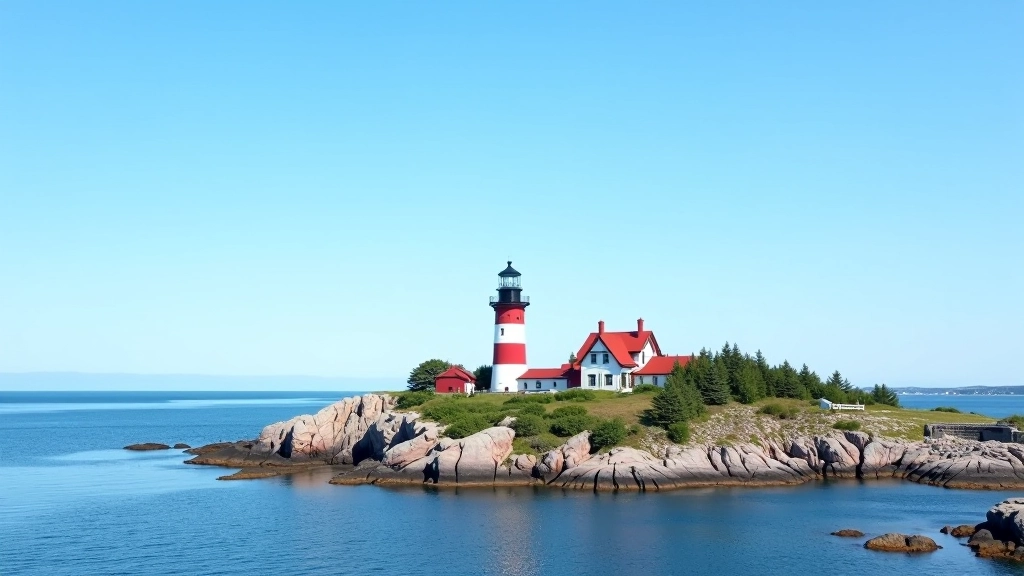
A gentle coastal drive through Nova Scotia's most photographed lighthouse and charming fishing villages along the Atlantic coast.
Read Guide
A scenic circle tour around Canada's smallest province featuring red sand beaches, charming towns, and pastoral farmland.
Read Guide